Season
Season 3 — Part 2
Genre
Action • Dark Fantasy • Supernatural • Military
Studio
david production
Fire Force Season 3 Part 2 brings the television anime into its final stretch, continuing the story of Shinra Kusakabe, Arthur Boyle and the Special Fire Force companies as the world moves toward the Great Cataclysm. After the events of the first part of Season 3, the conflict surrounding the Evangelist, Adolla and the mysterious Pillars reaches a critical stage.
The second cour began broadcasting in Japan on January 9, 2026. The official website lists episodes 13 through 25 and describes the final battle as the Special Fire Force units unite to stop the Great Cataclysm. Episode 25, titled “A Hero’s Story”, brings the television anime to its conclusion.
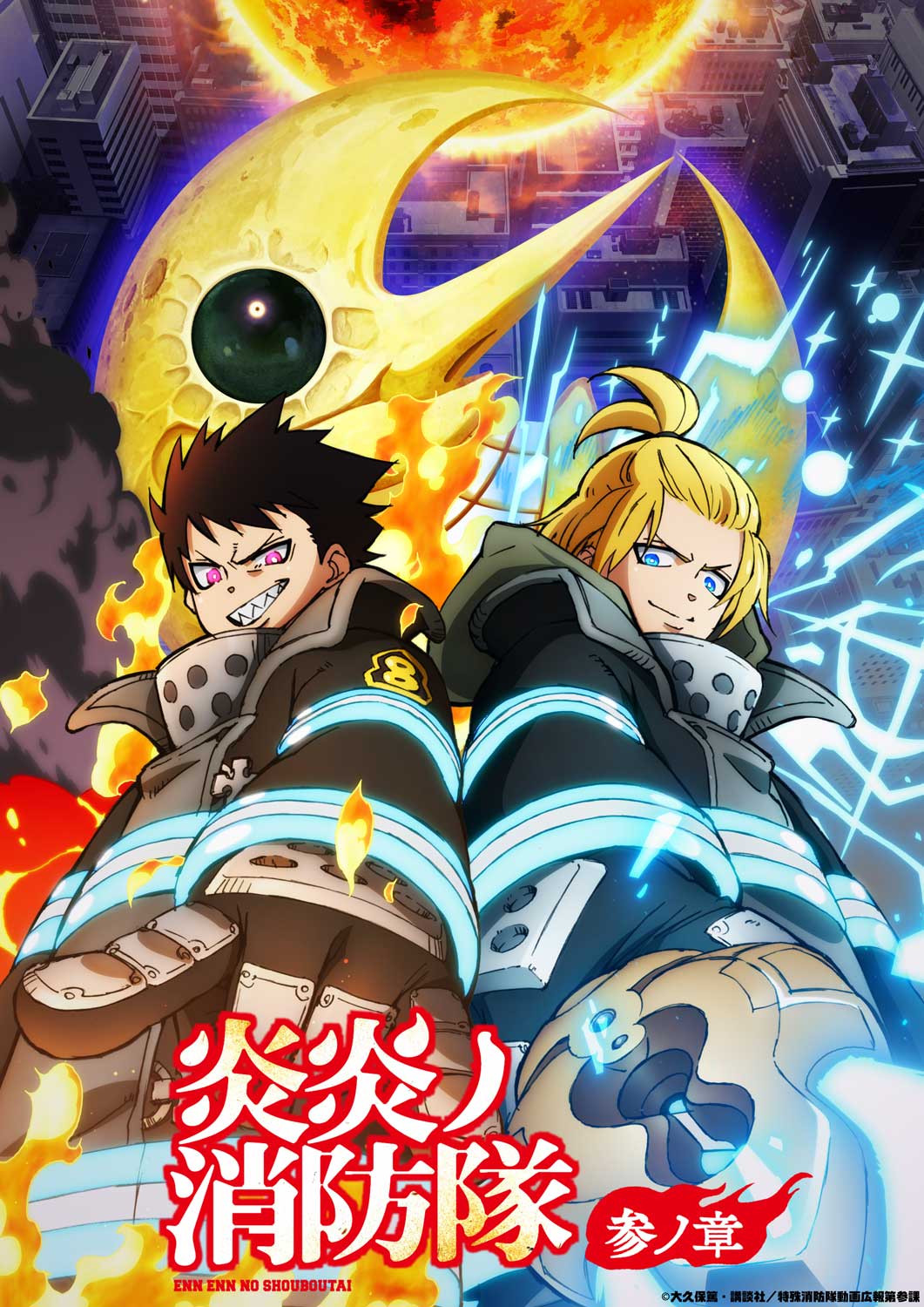
Official Fire Force Season 3 visual
Introduction to Fire Force Season 3 Part 2
Fire Force has always combined supernatural action with a mystery surrounding the origins of human combustion, the Adolla realm and the strange history of the world. Season 3 Part 2 pushes those mysteries toward their final confrontation.
Shinra is no longer simply a rookie firefighter trying to become a hero. His connection to Adolla, his ability as a Third Generation pyrokinetic and his position among the Pillars place him directly in the center of the conflict. Arthur is also pushed toward a major role as the battle grows beyond ordinary firefighting.
The second cour expands the scale of the story dramatically. Instead of focusing only on Company 8, the conflict now involves the wider Special Fire Force structure, the White-Clad and forces connected to the Evangelist.
The Great Cataclysm
The Great Cataclysm is the central threat surrounding the final stage of Fire Force. The world itself is placed in danger as Adolla and the physical world become more closely connected.
The official introduction describes the Special Fire Force companies coming together to prevent the Great Cataclysm. This changes the conflict from a battle involving individual companies into a much larger struggle involving the future of humanity.
Shinra Kusakabe — The Hero at the Center
Shinra Kusakabe remains the emotional center of the story. His dream of becoming a hero has always been connected to the tragedy surrounding his family, especially the disappearance of his mother and the supposed death of his younger brother Sho.
By Season 3 Part 2, Shinra’s role has become much larger than he originally imagined. His connection to Adolla makes him one of the most important figures in the final conflict.
Shinra’s speed, flame propulsion and combat experience allow him to fight opponents who operate on a completely different level from ordinary Infernals.
Arthur Boyle — The Knight King
Arthur’s relationship with Shinra remains one of the defining dynamics of the series. Their rivalry is often comedic, but their abilities become increasingly important as the final battle develops.
Arthur’s knight persona is more than a joke during the major battles. His imagination, confidence and swordsmanship turn him into a serious combatant capable of facing extraordinary enemies.
Season 3 Part 2 places Arthur beside Shinra as one of the central fighters of the final conflict.
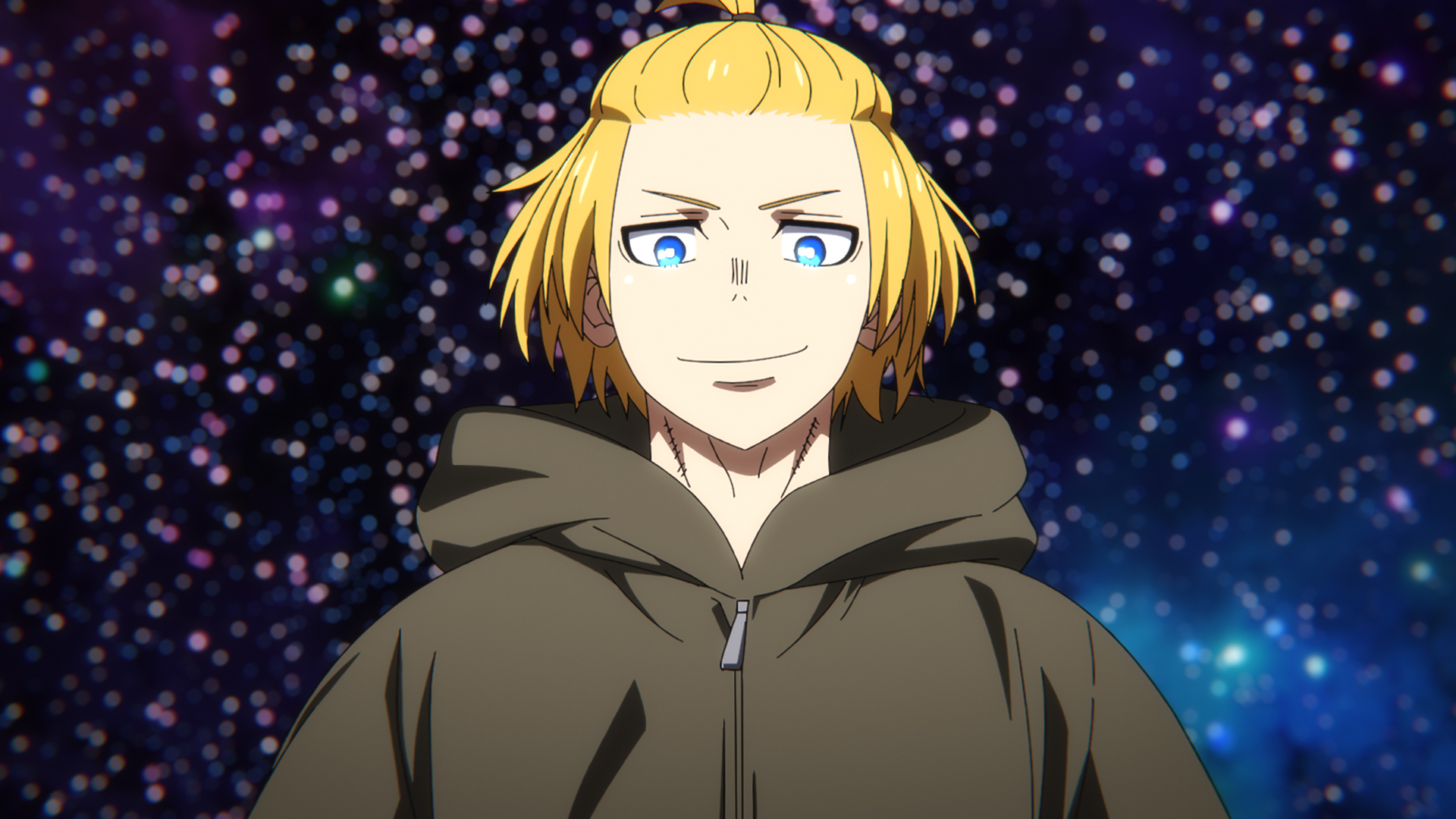
Official Fire Force Season 3 scene featuring Arthur
Adolla and the Evangelist
Adolla has remained one of the biggest mysteries in Fire Force. It is a supernatural realm connected to the flames, the Pillars and the Evangelist.
The final stage of the anime brings these elements together. Characters who once appeared to be fighting separate battles are ultimately connected through the same enormous conflict.
Haumea and the White-Clad
Haumea becomes increasingly important during the final conflict. Her connection to the Evangelist and her role among the White-Clad make her one of the most dangerous figures facing the Fire Force.
The second cour’s ending theme visual also focuses on Haumea and the White-Clad, reinforcing the importance of their side of the conflict during the final stage.
Company 8 Returns to the Battlefield
Company 8 remains the emotional home of the story. Shinra’s relationship with Captain Obi, Hinawa, Maki, Iris and Tamaki has developed across the series.
Even when the conflict becomes enormous, Fire Force continues to use the members of Company 8 to remind viewers of the personal side of the story.
Akitaru Obi
Captain Obi has never relied on supernatural abilities in the same way as many of the series’ strongest fighters. His strength comes from physical training, leadership and determination.
His role becomes especially important because the Special Fire Force needs people capable of keeping teams together when the situation becomes chaotic.
Takehisa Hinawa
Hinawa’s calm personality makes him one of Company 8’s most dependable members. His firearm-based ignition abilities provide a different combat style from the explosive abilities of characters such as Shinra and Arthur.
Maki Oze
Maki combines physical strength with sophisticated flame manipulation. Her experience and battlefield awareness make her an important member of the company.
Her presence also represents the balance between military discipline and the more personal atmosphere of Company 8.
Iris and Tamaki
Iris continues to represent the spiritual and emotional side of Company 8, while Tamaki remains one of the team’s most recognizable fighters.
Their personalities are very different, but both contribute to the larger group dynamic that makes Company 8 feel like a family rather than simply a military unit.
Benimaru Shinmon
Benimaru remains one of the most powerful firefighters in the story. His combination of First and Second Generation abilities makes him particularly unusual.
His leadership of Asakusa also gives him an important position outside Company 8. When the final conflict reaches a larger scale, the strength of experienced fighters such as Benimaru becomes increasingly important.
Joker and the Hidden History
Joker’s connection to the Holy Sol Temple and the hidden history of the Tokyo Empire has made him an important source of information throughout the series.
Fire Force repeatedly connects its action scenes with historical mysteries, and Joker represents one of the characters who understands that the official history of the world does not explain everything.
Burning Battles Across the World
Season 3 Part 2 expands the scale of the battles considerably. Characters who previously fought within cities and underground locations are now involved in conflicts connected to the Great Cataclysm.
Fire manipulation, physical combat, weapons and supernatural abilities all combine to create battles that are visually different from conventional shonen fights.
Shinra’s Flame Abilities
Shinra’s ability allows him to produce flames from his feet and use them for propulsion. Over time, this simple-looking ability develops into an extremely powerful combat system.
His speed is one of his biggest advantages. Rather than simply attacking from a distance, Shinra uses movement itself as part of his fighting style.
Arthur’s Excalibur
Arthur’s plasma sword remains one of the most recognizable weapons in Fire Force. His knight imagination allows him to treat battles as legendary quests.
The contrast between Arthur’s serious fighting ability and his often ridiculous personality remains one of the show’s recurring sources of comedy.
The Pillars
The Pillars are central to the mystery of Adolla and the Great Cataclysm. Their existence connects individual characters to a much larger supernatural system.
Shinra’s position as a Pillar makes his role especially important, while other Pillars connect the story to the White-Clad and the Evangelist.
The Evangelist’s Influence
The Evangelist has influenced the story from the beginning, even when the full nature of that influence was not immediately clear.
The final arc brings many of those earlier mysteries back into focus. The conflict is no longer simply about fighting Infernals; it becomes a struggle over the structure and future of the world itself.
The Role of Sho Kusakabe
Sho is one of the most important figures in Shinra’s personal story. His connection to Adolla and the White-Clad makes the relationship between the brothers central to the larger conflict.
Shinra’s desire to save Sho is also connected to his original dream of becoming a hero. Their relationship gives the enormous supernatural conflict a personal emotional foundation.
The Final Fire Force Alliance
One of the major developments of the final stage is the cooperation between the Special Fire Force companies.
The official introduction states that the various Special Fire Force units unite in an effort to stop the Great Cataclysm. This alliance is significant because the series spent much of its earlier story showing disagreements between different organizations.
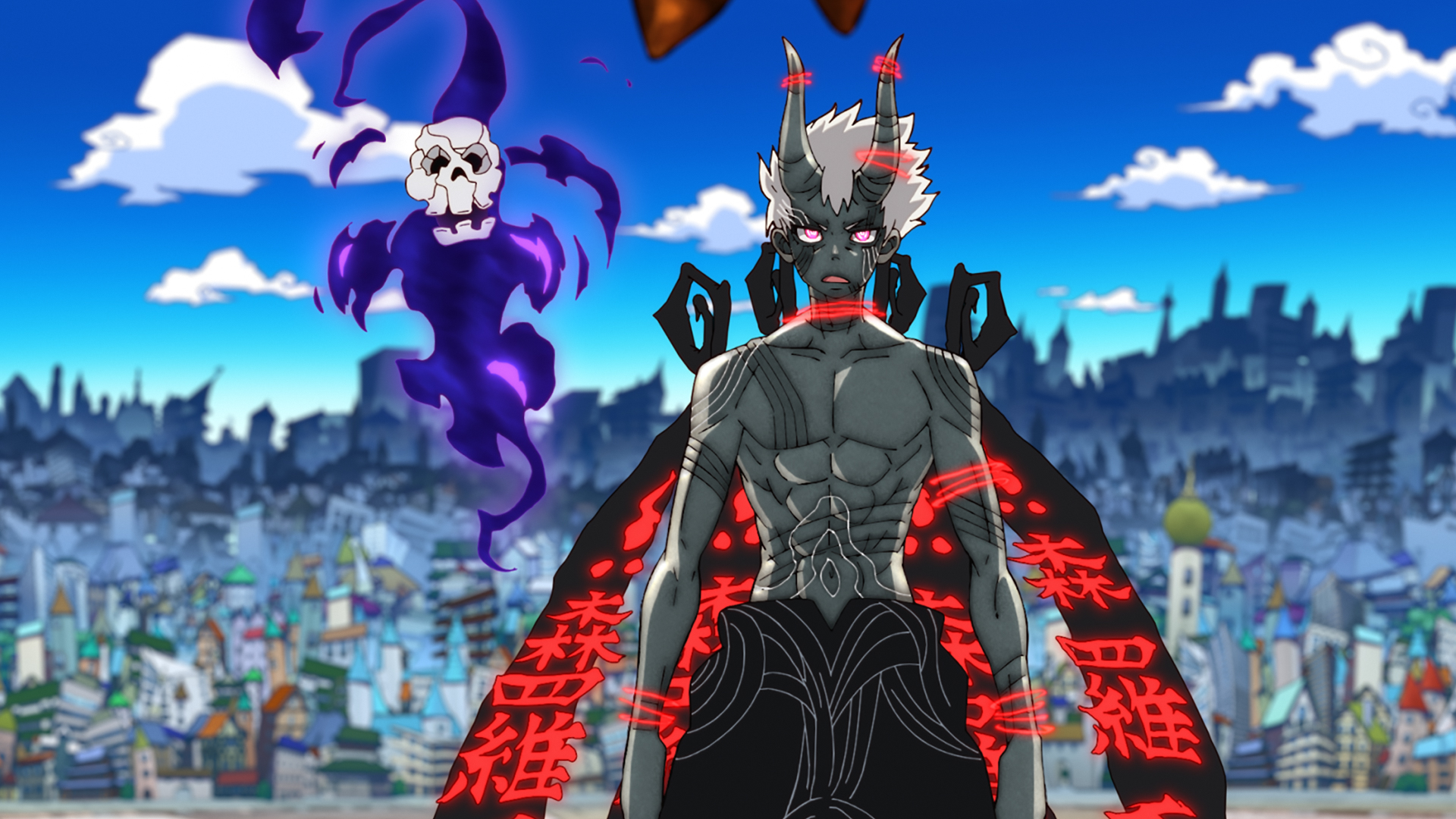
Official Season 3 story visual
The Final Battle Begins
The second cour moves the story directly toward the final battle. The world is increasingly affected by the Great Cataclysm while the major characters prepare for confrontations that have been building since the earlier seasons.
Shinra and Arthur stand at the center of the heroic side of the conflict, while Haumea and the White-Clad remain connected to the opposing force.
The Dark Fantasy Atmosphere
Fire Force has always mixed bright comedy with disturbing supernatural imagery. Season 3 Part 2 pushes the darker elements further because the story is dealing directly with the possibility of the world’s destruction.
Fire, death, rebirth and supernatural transformation are repeatedly used as visual and thematic elements.
Comedy Still Exists
Despite the increasingly serious story, Fire Force does not completely abandon its comedy. Arthur’s personality, interactions between Company 8 members and unusual character reactions continue to provide lighter moments.
This contrast is one of the series’ recognizable characteristics: a scene can move from absurd comedy into serious action within a very short time.
The Importance of Shinra’s Dream
Shinra’s dream of becoming a hero has existed since the beginning of the anime. At first it was connected to his childhood tragedy and the accusations surrounding the death of his family.
By the final stage, the word “hero” carries much greater meaning. Shinra is forced to confront questions about what it means to protect people when the entire world is threatened.
Shinra and Arthur’s Rivalry
Shinra and Arthur have always been rivals. Their personalities are almost complete opposites, with Shinra generally being more practical and Arthur treating reality through the language of knights and fantasy.
Their rivalry nevertheless creates a powerful partnership when they are placed against extremely dangerous enemies.
Animation by David Production
Fire Force Season 3 is animated by david production. The studio’s production approach continues the series’ emphasis on bright flames, strong action poses, supernatural effects and highly recognizable character silhouettes.
Fire is particularly important to the visual identity of the anime. Different characters use different colors, shapes and movement styles for their abilities, allowing battles to remain visually distinct.
Visual Style of Part 2
The official Part 2 key visual places Shinra and Arthur against a burning Tokyo Empire while supernatural imagery dominates the background.
The visual communicates the scale of the final conflict without reducing the characters to simple action figures. Their expressions and positions emphasize their roles as central figures in the final battle.
Fire and Ice
Fire Force is built around flame-based powers, but the series also creates visual contrast through different temperatures, colors and environmental effects.
This becomes especially effective when characters with very different ignition abilities fight in the same scene.
Music of Season 3 Part 2
Music plays an important role in Fire Force’s atmosphere. The second cour features an opening theme by Takanori Nishikawa and an ending theme by Survive Said The Prophet.
Second Opening Theme — “Ignis”
The second opening theme is “Ignis -イグニス-“ by Takanori Nishikawa. The song was written by TOPHAMHAT-KYO, composed by TeddyLoid and arranged by TeddyLoid.
The official anime website presents “Ignis” as the second opening theme for the final part of the series.
Second Ending Theme — “Speak of the Devil”
The second ending theme is “Speak of the Devil” by Survive Said The Prophet.
The ending presentation uses a different visual atmosphere from the explosive opening, focusing more strongly on the White-Clad and Haumea.
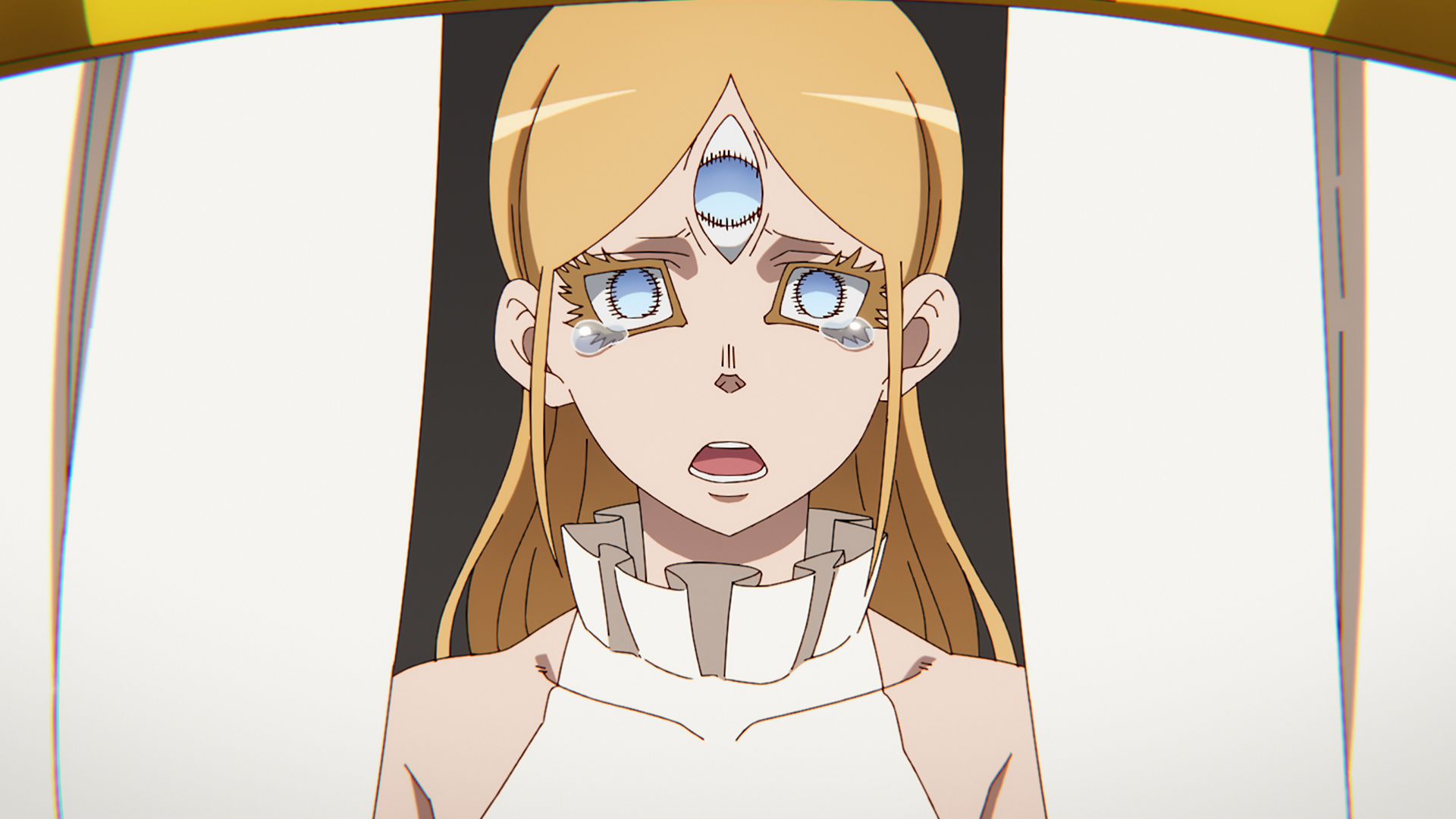
Official Season 3 story visual
Episode 13 and the Continuation
Episode 13 continues the story directly from the first cour and begins the second half of Season 3. From this point forward, the story increasingly focuses on the final conflict surrounding Adolla and the Great Cataclysm.
The Middle of Part 2
The middle episodes of Part 2 continue developing the conflict between the firefighters and the White-Clad. Multiple characters receive opportunities to participate rather than leaving the final battles entirely to Shinra.
This gives the conclusion a larger ensemble feeling and allows characters who have appeared throughout the series to contribute to the final stage.
The Great Cataclysm Arrives
The official story material describes the Great Cataclysm beginning with an enormous pillar appearing in the Pacific Ocean alongside a massive Infernal. The situation becomes a global emergency.
The Special Fire Force is forced to respond while political and military circumstances make movement difficult.
The Final Confrontations
The final episodes bring together many of the major conflicts established over the course of the anime.
Shinra’s role, Arthur’s rivalry, the White-Clad, Haumea, Adolla and the Great Cataclysm all converge into the final stage of the story.
Episode 25 — A Hero’s Story
Episode 25 is the final episode of the television anime. The official story page describes a world regenerated by Shinrabanshoman, with people who had died returning to life and the nature of life and death changing dramatically.
Haumea rejects this new world and chooses despair again, while another mysterious presence arrives. The official site describes this episode as the conclusion of the Fire Force anime.
Arthur Boyle — Official Fire Force visual
The Meaning of the Hero
Fire Force began with Shinra wanting to become a hero. The final stage brings that idea back after years of battles, secrets and personal tragedies.
The word hero is no longer simply about defeating an enemy. It becomes connected to protecting people, facing fear and deciding what kind of future should exist.
The Relationship Between Life and Death
Fire Force repeatedly treats fire as both destruction and transformation. The final story extends this idea to life and death themselves.
The conclusion therefore connects the supernatural mythology of the series with one of its biggest recurring themes: what it means for people to continue living despite loss.
The World After the Cataclysm
The ending introduces a changed world rather than simply returning everything to exactly the way it was before.
This allows the final episode to explore the consequences of the enormous events that have shaped the entire story.
Character Growth
Shinra’s development is one of the most important parts of the series. He begins as a young firefighter struggling with his reputation and gradually becomes a central figure in the world’s biggest supernatural conflict.
Arthur also grows from a comic rival into one of the key warriors of the final battle. Company 8 members likewise develop from a small group into participants in a worldwide struggle.
The Importance of Company 8
Company 8 gives Fire Force its emotional foundation. Their headquarters becomes a place where characters with very different personalities can work together.
Even during the final battle, the relationships built inside Company 8 remain important to the story.
The White-Clad
The White-Clad serve as one of the primary opposing forces throughout the story. Their connection to the Evangelist gives the conflict a religious and supernatural dimension.
Part 2 brings their long-running conflict with the Special Fire Force toward its conclusion.
The Adolla Connection
Adolla is not simply another location in Fire Force. It functions as one of the central mysteries behind the supernatural events of the world.
The final episodes reveal how deeply the human world and Adolla have become connected.
Why Fire Force Uses Fire So Effectively
Fire is simultaneously beautiful and dangerous. The anime uses this duality in almost every major battle.
Flames can represent destruction, power, movement, protection and even hope. Different characters give their flames different meanings through their abilities and personalities.
Action and Character Drama
Fire Force is not only an action anime. Its major battles are usually connected to personal relationships, family history, ideology or questions about the future.
This combination allows the fights to carry emotional meaning instead of existing only as displays of power.
The Dark Fantasy Side
The series combines science-fiction-inspired technology, supernatural mythology, military structures and dark fantasy imagery.
This unusual combination is one of the main characteristics that separates Fire Force from more conventional firefighter stories.
The Final Season’s Production
Season 3 continues the production work of david production, with Tatsuma Minamikawa directing, series composition and screenplay credited to Gakuto Haida, character design by Hideyuki Morioka and music by Kenichiro Suehiro.
The official staff list also credits Miki Yamamoto for sub-character design, Yoshihiro Yoshioka and Mariko Kubo as chief animation directors, and Naoko Sato for color design.
Official Main Cast
The main cast includes Gakuto Kajiwara as Shinra Kusakabe, Yusuke Kobayashi as Arthur Boyle, Kazuya Nakai as Akitaru Obi, Kenichi Suzumura as Takehisa Hinawa, Saeko Kamijo as Maki Oze, M・A・O as Iris and Aoi Yuki as Tamaki Kotatsu.
The wider cast includes many returning characters such as Benimaru Shinmon, Joker, Haumea, Charon, Sho Kusakabe, Leonard Burns and other members of the Special Fire Force and White-Clad.
Official Production Team
Fire Force is based on the manga by Atsushi Ohkubo, originally published by Kodansha’s Weekly Shonen Magazine.
Season 3 is animated by david production. The official staff includes director Tatsuma Minamikawa, music composer Kenichiro Suehiro and sound director Jin Aketagawa.
Streaming Information
The official website currently lists Season 1 through Season 3 among the available streaming offerings. Listed services include Netflix, Amazon Prime Video, d Anime Store, DMM TV, ABEMA, U-NEXT, Hulu, FOD, Lemino, TVer and other Japanese streaming platforms.
Availability can differ by country and platform, so viewers should check the service available in their region.
Watch Fire Force Season 3 Part 2
Fire Force Season 3 and the earlier seasons are available through multiple official streaming services. Availability varies by region.
Note:
Fire Force Season 3 Part 2 is the concluding part of the TV anime adaptation.
The official website lists Episode 25 as the final episode and states that the
anime series has reached its conclusion.
Final Thoughts
Fire Force Season 3 Part 2 brings the story of Shinra Kusakabe and the Special Fire Force toward its final destination. The second cour expands the conflict from individual battles into a struggle involving the entire world.
Shinra and Arthur stand at the center of the final action, while Company 8, the other Special Fire Force units, the White-Clad and the forces surrounding Adolla all become part of the final confrontation.
The conclusion also returns to the ideas that have defined Fire Force from the beginning: fire, family, sacrifice, friendship, heroism, life and death.
After three seasons, the television anime closes the journey that began with Shinra joining Company 8 and dreaming of becoming a hero. The final chapter gives the characters one last battle against the forces threatening their world.
For fans of supernatural action, intense battles, unique power systems and large-scale fantasy storytelling, Fire Force remains a distinctive anime built around one simple but powerful image: a world where fire can destroy everything, but the people who control it can also become the ones who protect it.
Fire Force Season 3 — Official Visual